A Designer's Honest Review of 'No One Fights Alone'
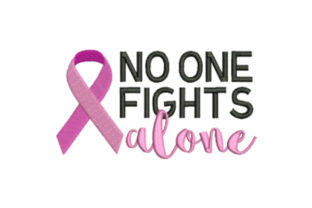
When an embroidery file lands in my library, I immediately judge it from the perspective of real projects and client expectations. 'No One Fights Alone' isn't just a design; it's a statement piece with a powerful purpose. Its core value as an awareness design is evident, but from a practical embroidery standpoint, its success hinges on execution and application.
The First Impression: Quiet Power and Crafted Simplicity
The layout speaks first. This isn't a loud, graphic-heavy slogan. It carries a mood of supportive, quiet strength. The typography and arrangement feel carefully balanced, aiming for clarity rather than ornate detail. This is a design that belongs on items meant to be worn close, gifted thoughtfully, or displayed prominently—a tote bag carried daily, a sweatshirt offering comfort, a pillow cover in a healing space. Its visual personality is dignified, making it a natural fit for projects where the message matters more than decorative flair.
Where 'No One Fights Alone' Shines in Real Projects
In my workflow, I visualize designs on final products. For this embroidery design, I'd lean towards substrates where the sentiment can resonate.
- Custom Apparel & Sweatshirts: A central chest placement on a quality sweatshirt transforms it into a wearable emblem of support. The stitch clarity on a stable fabric like fleece or canvas would be excellent.
- Tote Bags & Tea Towels: For a boutique or Etsy seller, a beautifully embroidered tote bag becomes both a useful handmade product and a carrier of meaning. On a kitchen towel or apron, it moves the message into everyday, comforting routines.
- Embroidered Patches: This design adapts well to a patch format. It could be applied to caps, backpacks, or blankets, offering flexibility for small business merchandise.
- Personalized Gifts & Nursery Decor: For a gift acknowledging a journey, stitched onto a pillow cover or a lightweight blanket, it carries profound giftability. Its tone is appropriate for sensitive occasions.
- Digital Product Assets: For digital embroidery file sellers, this design serves a clear market niche. Its awareness focus provides inherent context for printable mockups and product previews.
The design's inherent meaning boosts customer trust and buyer engagement. When a product carries a genuine message, its perceived value and handmade presentation are elevated. For a craft business, it aligns with brand values centered on community and care.
Practical Considerations & Where to Use Caution
Not every design is universal. Here’s my practical judgment on where 'No One Fights Alone' might require more attention.
- Small Hoop Sizes & Tiny Details: If the lettering is particularly fine or intricate, testing on scrap fabric is crucial. Small hoop sizes might compress the text, affecting readability. A running stitch for outlines versus a dense satin stitch will behave differently at smaller scales.
- Textured or Stretch Fabrics: On highly textured knits or stretchy t-shirt material, the clarity of the message could soften. A robust stabilizer choice is non-negotiable here to maintain sharpness.
- Dark Fabric Backgrounds: The inspirational nature often suggests lighter, hopeful colors. On dark fabrics, thread color contrast becomes paramount. I would test it in both light and dark fabric texture mockups to ensure the message pops.
- Curved Surfaces & Layered Garments: Embroidering on a cap's curved panel or a collar requires checking for distortion in the layout. Also, on garments with multiple layers, consider stitch density to avoid a stiff, uncomfortable finish.
- Products for Frequent Use: Items like kitchen towels or daily-worn caps need durable stitching. Inspect the design's small details and potential weak points in the digitizing that might wear faster with repeated washing.
The Designer's Checklist Before Hooping
Before I commit this to a client’s project or my own small shop product, my routine involves a few key steps.
- Test on Scrap: Always stitch the design on a fabric similar to your final product. This reveals true stitch density, thread behavior, and any registration issues.
- Verify File Compatibility: The description mentions multiple embroidery file formats. Confirm your machine's specific format is included and that the design scales correctly within your hoop size.
- License Check: For commercial embroidery or selling finished products, explicitly confirm the licensing terms. This is critical for Etsy sellers and craft business owners.
- Contextualize for the Customer: Think about how the stitched product will be received. On a baby item or holiday gift, does the scale feel appropriate? Does the finished stitch look professional and heartfelt?
- Plan the Thread Palette: Beyond basic contrast, consider thread colors that enhance the supportive mood—soft pinks, compassionate blues, or clean neutrals.
Final Thoughts: A Design with Purposeful Impact
'No One Fights Alone' succeeds by fulfilling a specific need. It isn't a generic decorative element; it's a design asset with embedded significance. For embroidery designers and makers, its value lies in this purposeful application. When stitched with care onto a well-chosen product, it transcends being mere decoration. It becomes a point of connection, a symbol of solidarity, and a handmade product that carries weight far beyond its thread count.
The key to maximizing its impact is matching its dignified tone with a thoughtful embroidery project. Choose substrates that honor the message, execute the stitch with technical precision to ensure clarity, and always respect the profound context it represents. In the right hands, on the right fabric, it makes for an exceptionally meaningful piece of custom apparel, personalized gift, or boutique product.