A Professional's Take on the Santa Claus Gnome Embroidery
When you open an embroidery file for the first time, you're not just looking at stitches; you're visualizing a finished product on a garment, in a shop, or wrapped as a gift. That’s the lens I use with every design, and today it’s focused on the Santa Claus Gnome. This isn't about the specs—it’s about whether this machine embroidery design has the character and practicality to translate into a real, sellable, or giftable item.
The Immediate Charm and Where It Belongs
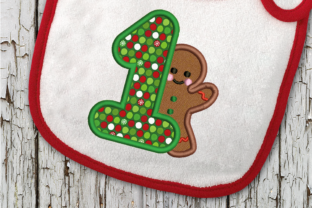
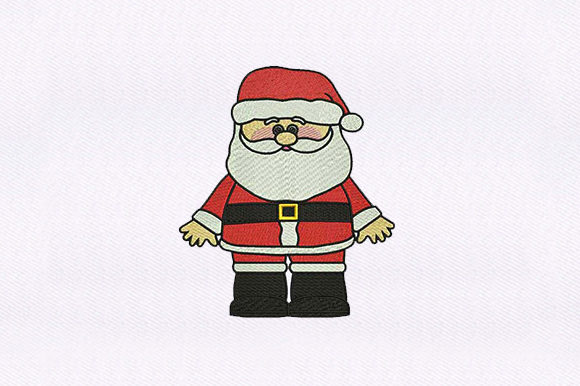
The first impression of this design is, undeniably, cute. It has that friendly, whimsical personality that feels both festive and approachable. The shape is compact and balanced, which tells me it’s not going to overwhelm a small item like a baby bib or a cap. The layout suggests it’s meant to be a central, standalone feature rather than part of a busy pattern. This visual personality screams holiday gift, but not in a generic way. It feels personalized, handmade. I immediately picture it on a kitchen towel in a cozy home, or as the cheerful centerpiece on a child’s holiday sweatshirt.
For my craft business or Etsy listings, this kind of design is a solid asset. It creates a mood of warmth and tradition, which is exactly what customers seek during the Christmas season. As a boutique product, it would add a touch of homemade charm without looking kitschy. Its detail level appears sufficient to look professional when stitched, but not so intricate that it becomes a nightmare on textured fabrics.
Real-Life Performance: From Totes to Tea Towels
Let’s walk through a scenario. I’m preparing a custom embroidered tote bag as a holiday gift for a client. I’m thinking about stitch clarity, thread color contrast against the bag’s fabric, and how the design will hold up after use. The Santa Claus Gnome, with its likely defined outlines and fill areas, should pop nicely on a neutral tote. Its size seems appropriate—not too small to lose impact, not too large to become awkward.
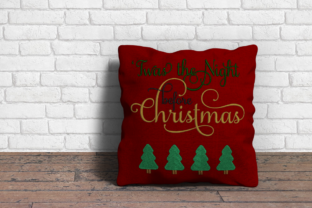
This is where the design’s true value for an apparel decorator or creative entrepreneur shows. On a heavyweight sweatshirt, it would become a cozy, decorative accent. Stitched onto a pillow cover, it transforms into seasonal nursery decor. As an embroidered patch, it could be applied to an apron for a fun, festive touch. For baby embroidery on a blanket or little dress, its cute factor would be a major selling point for parents. In every case, the finished product gains a layer of perceived value because the design feels intentional and well-executed.
Where Caution is Needed
Even a charming design has its limits. Based on typical project experience, I would be careful using this on very thin or stretchy fabric without excellent stabilizer. Dense stitch areas, if present, could pucker lightweight materials. On dark fabric backgrounds, a thorough review of the thread color palette in the embroidery file is essential—some details might vanish without proper contrast.
Small hoop sizes might be a constraint if the design has wide satin stitch borders or large fill stitch blocks. Always test on scrap fabric first. Curved surfaces like caps require designs that can adapt to the shape; check the design's orientation and density before committing. And for products destined for frequent washing—like kitchen towels or baby clothes—a robust stitch construction is key for longevity, which builds customer trust.
The Impact on Your Business and Craft
Using a design like the Santa Claus Gnome affects more than just the stitch. For a small shop product, it contributes to brand consistency if your niche is friendly, holiday-themed items. Its giftability is high—it’s instantly recognizable as a Christmas embroidery, yet personal enough to feel special. This directly influences buyer engagement in an Etsy listing or at a craft fair; people connect with the cheerful narrative.
From a professional standpoint, a clean, well-stitched version of this design elevates the handmade presentation. It shows you’ve chosen a quality digital embroidery file and executed it with care. That professionalism translates into repeat customers and a stronger reputation. For digital product sellers offering the file itself, its visual appeal in printable mockups is crucial for selling it as a commercial design asset.
Essential Designer Notes Before You Hoop
My practical workflow for any new design includes several non-negotiable steps. First, stitch it out on a scrap of your target fabric. This reveals true stitch density, thread behavior, and whether any tiny details, like small facial features, stitch out clearly. Check it in both light and dark fabric backgrounds if you plan to offer both options.
Always confirm the hoop size requirement and your machine compatibility from the provider’s information. Use the proper stabilizer for your chosen project—a tote bag needs different support than a baby tee. Crucially, inspect the licensing terms. Before selling finished items or using it in commercial embroidery projects, you must know if the license permits it. This protects your craft business and respects the designer’s work.
The Santa Claus Gnome has the visual ingredients for a successful holiday embroidery project. Its cute, balanced character lends itself to a range of personalized gifts and small business merchandise. By approaching it with a professional’s practical eye—testing, adapting to fabric, and respecting licensing—you can transform this digital file into a finished product that delights both you and your customer.