Evaluating Wombat: A Premium Sweatshirt Embroidery Design
As an embroidery designer preparing a limited sweatshirt drop for a boutique brand, every design choice carries weight. You're not just picking an image; you're selecting a piece of brand identity that will be stitched onto premium fabric and worn by your customers. Today, I’m reviewing the Wombat machine embroidery design, considering it for a cozy, seasonal apparel collection aimed at small shop aesthetics.
First Impressions: Mood & Stitching Personality
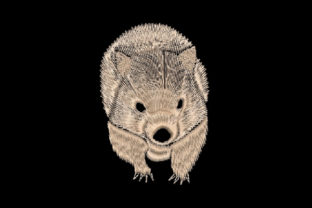
The immediate feel of Wombat is undeniably charming and rustic. It belongs to that Woodland Animals category, but it carries a specific, softer personality. Unlike more aggressive or overly playful creatures, a wombat suggests a grounded, quiet, and subtly cute appeal. The design description provides a crucial initial technical insight: this design is best stitched on dark fabric, as there is no stitching in the eye or nose areas. This tells me the design relies on negative space—the fabric itself becomes part of the artwork. This approach leans towards a more minimal and sophisticated look, rather than a fully filled, decorative illustration. On a dark garment, the eyes and nose will be defined by the fabric’s base color, creating a softer, more integrated expression. It feels less cartoonish and more artistic, which aligns perfectly with a premium, handmade product presentation.
Application on Boutique Sweatshirts & Hoodies
Let’s visualize Wombat on the actual apparel. For a small brand selling on Etsy or through its own site, the sweatshirt is a canvas. On a classic dark, neutral sweatshirt—think charcoal, deep navy, or black—this design will shine. The negative space features will blend seamlessly, making the embroidered outline and details pop with clean contrast. It’s a perfect candidate for the standard left chest placement on an oversized hoodie, offering a balanced, recognizable brand accent without being overwhelming.
Pastel-colored sweatshirts, like a soft heather grey or a muted olive, could also work if they are dark enough to provide that necessary contrast for the unstitched areas. The design would feel cozy and seasonal, ideal for autumn and winter collections. As a sleeve accent or a smaller back design, Wombat maintains readability due to its likely clear, bold outlines (assuming the stitch density is sufficient). This versatility in placement is key for creating a cohesive merchandise line—you could offer the same design on chests, sleeves, and even tote bags, building strong visual recognition for your boutique brand.
Practical Designer Concerns for Commercial Use
Moving beyond aesthetics, a professional must consider production. The note about dark fabric immediately flags thread color contrast. You’ll need to select a thread that stands out beautifully against the dark base—a cream, light grey, or even a pastel thread could create different moods. Since the eyes/nose aren’t stitched, stitch density in the remaining areas must be robust to ensure the design feels solid and premium, not sparse. On a thick sweatshirt fabric, proper stabilizer choice is non-negotiable to prevent puckering and maintain crisp lines.
A major question is small-size readability. If you plan to offer a smaller version for kids' apparel or subtle branding, check how the design condenses. Do the lines remain clear? The provided description mentions it comes with multiple embroidery file formats for use with multiple machines, which is excellent for commercial embroidery shops and digital sellers using different equipment. However, it doesn’t specify hoop size requirements. Before production, you must check the actual design files for the minimum and recommended hoop size to ensure it fits your sweatshirt placement plans. This is a critical step often overlooked by eager crafters.
Finally, consider washing durability. A design with good stitch density and secure underlay will hold up to wear, reinforcing buyer trust in your handmade product. Wombat, with its likely solid outlines, should feel strong enough for commercial apparel use if stitched correctly with quality materials.
Elevating Product Value & Brand Identity
How does this design affect your brand’s perceived value? A well-executed Wombat embroidery on a premium sweatshirt moves the item from generic to custom apparel. It tells a story—a connection to nature, a touch of whimsy, a commitment to craft. In your Etsy listing or shop product photography, this design will photograph beautifully. The texture of the stitches against the sweatshirt’s fabric creates depth. Using printable mockups and lifestyle photos showing the hoodie in a cozy setting can directly boost customer engagement.
The design feels neither overly feminine nor masculine; it’s universally cute and rustic, appealing to a broad audience. This is a strategic advantage for a small brand. It allows you to build a recognizable identity without narrowing your market. When a customer sees that wombat on a sweatshirt, they associate it with your shop’s quality and aesthetic. It becomes more than just a Woodland Animals embroidery; it becomes your emblem.
A Final Note on Preparation
Embroidery is a blend of art and precise engineering. The Wombat digital embroidery file offers a fantastic starting point with its format flexibility. But the magic happens in your preparation. Test stitch it on a scrap of your actual sweatshirt material. Experiment with thread colors against that dark fabric. Confirm the hoop placement and size. Assess the fabric texture and how it interacts with the stitches. These steps transform a digital asset into a flawless finished product that justifies the price point of a boutique collection.
In conclusion, Wombat presents a compelling option for a small brand’s sweatshirt line. Its use of negative space for a softer look, its rustic and playful charm, and its technical adaptability make it a strong candidate for chest patches, sleeve accents, and back designs on dark and neutral hoodies. It feels premium because its execution relies on your skill and choices—it’s a partnership between the design file and your craftsmanship. By addressing the practical concerns of contrast, density, stabilizer, and hoop size, you can leverage this design to create a cohesive, high-value apparel drop that resonates with customers seeking unique, handmade presentation in their wardrobe.