F1 Car Embroidery: A Design Review for Business Merchandise
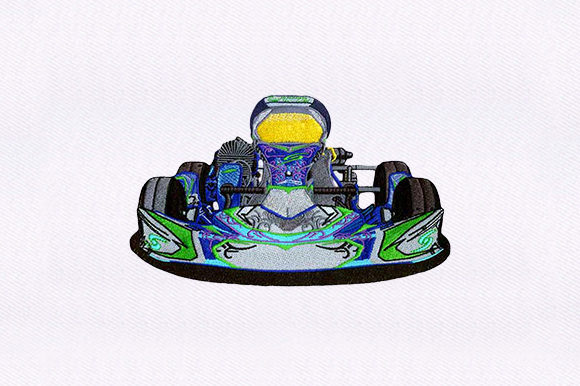
As an embroidery designer specializing in branded merchandise for small businesses, I evaluate every digital embroidery file not just for its decorative appeal, but for its real-world commercial potential. When considering the F1 Car machine embroidery design for client projects, my first impression is one of dynamic, modern energy. This is not a generic sports car; the implied detail suggests a premium, fast-moving aesthetic. The design feels bold and professional, yet inherently exciting—perfect for businesses wanting to convey speed, precision, or a competitive edge.
Translating the Design into Tangible Brand Assets
For a small business, an embroidery file like F1 Car is more than a sewing project; it’s a versatile brand asset. Let’s explore its practical applications across typical small business merchandise.
Embroidered Patches for Product Labels and Retail Merch
A high-quality embroidered patch is one of the most flexible uses. For a boutique, creative studio, or even a café with a racing-themed vibe, this F1 Car design could serve as a superb product label sewn onto tote bags or aprons. It elevates a simple handmade product into a branded item. As a standalone patch on a cap or backpack, it becomes customer merchandise or a staff uniform accent, enhancing brand recognition.
Direct Apparel Embroidery for Uniforms and Customer Gear
The design’s detailed nature means it can anchor a uniform or work shirt. Embroidered directly on a staff polo chest or apron, the F1 Car communicates professionalism and a cohesive brand identity. For a pet brand or florist with an unexpected, energetic personality, it could be a striking sleeve detail on team shirts. On a cap front, it becomes a bold statement for event merch or customer gifts.
Tote Bags, Aprons, and Packaging Accents
This design translates powerfully onto utilitarian items. An embroidered F1 Car on a tote bag transforms it from a simple carrier into premium, branded merchandise for a bakery or bookstore. On an apron in a café or workshop, it reinforces a modern, active brand while adding perceived value. Even as a small accent on product packaging—like a reusable wrap or pouch—it offers a tactile, quality touchpoint.
Critical Considerations for Professional Execution
To ensure the F1 Car embroidery file performs flawlessly in business use, several technical and practical factors must be addressed.
Scale, Density, and Fabric Compatibility
The description mentions detail, which often correlates with stitch density. This is fantastic for visual impact but requires careful handling. On curved surfaces like cap fronts, or on textured fabrics like heavy canvas for tote bags, a dense design might need specific stabilizer choices to prevent puckering. Always test the design on a scrap of your target fabric first. Crucially, evaluate how the design reduces. If you plan a small patch for a product label, ensure the details remain clear and the outlines don’t merge into a blur at a smaller hoop size.
Color Strategy and Contrast for Brand Consistency
Thread color selection is paramount for brand identity. A vibrant, multi-color approach might capture the sport’s energy, but a monochrome version using your brand’s signature color could achieve powerful visual consistency. I advise testing the F1 Car in black and white first to assess its core structure. Then, plan thread colors considering contrast against dark uniforms or light aprons. Poor contrast can undermine customer trust in the quality of your finished product.
Pre-Production Checks for Commercial Reliability
Before committing to any production run for custom apparel or merchandise, conduct thorough reviews. Create a physical sample or a detailed printable mockup for client approval. Compare the embroidered result beside your other design assets to ensure it fits your brand’s personality—whether it’s playful, premium, or modern. Inspect the digitizing for any spacing issues that could cause thread breaks during long runs. Confirm the commercial licensing terms of the digital embroidery file for business use, as this is a foundational step often overlooked by crafters transitioning to small business sales.
Where the F1 Car Design Should Be Used with Care
Certain applications demand extra scrutiny. Tiny lettering, if present within the car design, might not survive reduction to a very small patch size. High stitch density designs on lightweight fabrics for staff polos can feel stiff; balance the desire for detail with wearer comfort. Items destined for frequent washing, like work shirts or aprons, require robust stitch construction to maintain the design’s integrity over time, preserving brand professionalism. On very dark fabrics, consider a slightly lighter underlay or thread choices to ensure the F1 Car remains vividly recognizable.
The Impact on Your Brand Identity and Customer Perception
Ultimately, choosing an embroidery design like F1 Car for your small business merch is a strategic decision. A well-executed embroidered patch or cap logo speaks volumes. It signals attention to detail, increasing product value and customer engagement. It creates a tactile, handmade presentation that resonates deeply in today’s market, distinguishing your Etsy shop or boutique from mass-produced competitors. Consistency in using this design across uniforms, tote bags, and patches builds a stronger, more memorable brand identity.
In the sports and embroidery category, the F1 Car design offers a specific, powerful visual motif. For the right business—one that aligns with themes of speed, innovation, or high-performance—it can be a cornerstone asset. My final designer note is this: treat this file as a professional tool. Test it on real substrates, confirm its technical parameters, and integrate it thoughtfully into your commercial embroidery projects. When done correctly, it will not just look great on fabric; it will propel your branded merchandise forward.