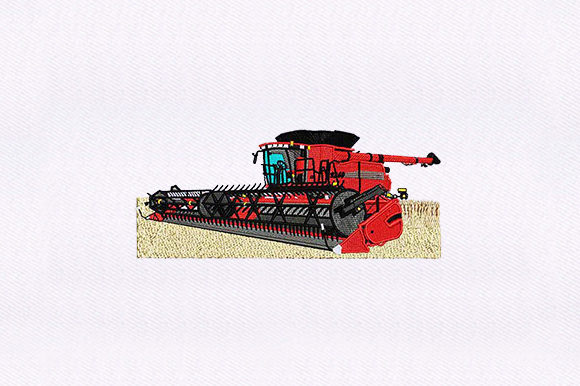
Harvester Embroidery: A Professional Designer's Real-World Review
As an embroidery designer who regularly sources files for both personal projects and commercial work, I approach every new design with a critical eye. When considering the Harvester embroidery design from Creative Fabrica for a potential project, my first question is always practical: will this file hold up in a real application, and does it add genuine value to the finished product?
First Impression: Visual Mood and Project Fit
The Harvester design presents a classic, intricate farm-themed aesthetic. Its detailed composition suggests a design built with a decorative purpose, aiming for a handcrafted, timeless feel rather than a simplistic graphic. This visual mood naturally aligns with projects that benefit from a touch of rustic charm or heritage. Before even loading the file, I mentally pictured it on a sturdy canvas tote bag, a linen apron, or a cozy flannel pillow cover. It feels like a design destined for items that tell a story, whether it's a gift for a gardening enthusiast or a product line for a boutique focusing on handmade, agrarian-inspired goods.
For Etsy sellers or small business owners, this initial impression is crucial. A design's visual appeal directly impacts product photography and customer engagement. Harvester has the kind of intricate detail that photographs well, making it a strong candidate for printable mockups and attractive listing images.
Performance in Real Embroidery Projects
Moving beyond the thumbnail, a designer must consider how the embroidery file will perform under the needle. The description highlights intricacy, which often translates to a variety of stitch types and potential detail levels.
Application Across Products
For custom apparel like sweatshirts or caps, the scale and density of the design are key. A highly intricate design with very small elements might struggle on curved cap surfaces or stretchy fabric without careful stabilizer choice. For a tote bag or apron, which typically use more stable fabrics, density is less of a concern, but the design's overall size needs to fit the item's proportions gracefully.
Considering baby items or kitchen towels, where frequent washing is a factor, the stitch construction needs to be secure. Areas of high stitch density can sometimes feel stiff on softer fabrics like those used for baby blankets, so a test on scrap fabric is essential. For patches, which are then applied to various surfaces, the design needs to be self-contained and cleanly stitched, with details that remain legible after cutting and finishing.
The potential use for nursery decor or seasonal handmade gifts is evident given the theme. Its success here depends on how well it stitches on the chosen medium—whether a quilted wall hanging or a linen pillow cover. The handmade presentation gains authority from a clean, precise embroidery result, which builds buyer trust and enhances the item's giftability.
Practical Embroidery Considerations
Without specific data on stitch count or hoop size from the provided description, the practical advice is paramount. Before committing to a customer order, I would always:
- Check the actual Creative Fabrica product page for confirmed hoop size requirements and file formats compatible with my machine.
- Run a test on scrap fabric that mimics my project fabric, especially for textured or dark fabrics where thread color contrast is vital.
- Review the stitch path in my software to identify any exceptionally dense fill stitch areas or tiny details that might need adjustment.
- Use the appropriate stabilizer for the project—this is non-negotiable for achieving a clean result on anything from sweatshirts to caps.
- Inspect small details after the test stitch; intricate elements like fine lines or small text can sometimes get lost if the file isn't optimized for smaller hoop sizes.
These steps are the difference between a frustrating waste of time and materials and a successful, profitable finished product.
Affecting Product Value and Brand Consistency
From a commercial perspective, using a high-quality embroidery file like Harvester can significantly elevate your product. For creative entrepreneurs selling at craft fairs or through their own shops, the quality of the decoration directly impacts perceived value. A crisp, well-executed embroidery design on a tote bag or sweatshirt suggests care and professionalism, which supports higher pricing and brand consistency across your line.
If you're creating a series of farm-themed products, this Creative Fabrica embroidery design could serve as a cornerstone asset. Its decorative appeal can be adapted across different items—perhaps the same design on a set of kitchen towels and an apron creates a cohesive collection. This strengthens your brand story and makes product photography more unified.
Furthermore, for digital product sellers who might use embroidery designs within broader projects or mockups, the clarity and quality of the design file are intrinsic to the value of their own final asset.
Final Thoughts Before You Download
The Harvester design appears to be crafted for impact and detail. Its natural fit is with projects that celebrate a rustic, handmade aesthetic. However, its true worth is determined in the practical application.
I strongly advise any embroidery designer, Etsy seller, or apparel decorator considering this file to do their due diligence. Visit the Creative Fabrica product page for Harvester to confirm all technical details: available file formats, any listed recommended hoop sizes, and importantly, the licensing terms for using the design in commercial embroidery products you intend to sell. This last point is critical for protecting your business.
Then, take the step that separates hobbyists from professionals: stitch it out. Test it on the fabric you intend to use. See how the satin stitches or running stitches lay. Evaluate its scale on a cap or a baby blanket mockup. Only then can you confidently assess whether the Harvester machine embroidery design will enhance your next project, add value to your handmade product, and justify its place in your digital library.
In the end, a design is just a file. Its real value is realized only when it transforms thread and fabric into something beautiful and durable—something a customer will love and you can proudly sell.