Slice Slice Baby: A Sharp Addition to Your Embroidery Toolkit
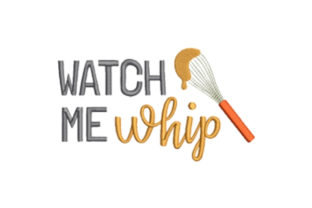
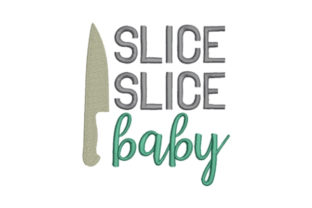
Let’s talk about Slice Slice Baby. When I first opened this machine embroidery design, my immediate thought was, “This has personality.” It’s quirky, playful, and taps into that universal kitchen experience—whether you’re a seasoned chef or just starting out. The theme isn’t just cute; it’s confident. It feels like a design that would wink at you from a custom apron or a tea towel hanging in a vibrant kitchen.
The Visual Personality and Where It Belongs
The layout and detail level strike a nice balance. It’s not overly minimalist nor overwhelmingly dense. This gives it versatility. You could imagine it as a bold centerpiece on a chef’s embroidered patch for a bag, or as a charming, smaller accent on the corner of a pillow cover in a cozy breakfast nook. The mood is friendly and slightly retro, invoking a sense of shared, hands-on fun. This isn’t a formal, sterile design; it’s for people who actually use their knives and enjoy the process.
In my mind, it naturally belongs on items that are used and seen in the heart of a home or gifted to someone who loves that space. Think aprons, tote bags for grocery runs, kitchen towels, or even a fun, unexpected detail on a sweatshirt for someone who proudly wears their kitchen-hobby identity. For small business owners and Etsy sellers, this design could become a signature piece for a line of handmade kitchen merchandise.
Stitching It Into Real Life: A Practical Scenario
Picture this: you’re preparing a custom gift for a friend who’s just moved into a new home. You decide on a sturdy, canvas tote bag. You want the embroidery to be durable, clear, and a genuine conversation starter. Slice Slice Baby comes to mind. Its theme is personal but not overly specific, witty without being niche. You stitch it out, perhaps in a contrasting color scheme against the natural fabric.
The finished product feels substantial. The design’s visual weight means it doesn’t look like a tiny, forgotten logo; it becomes a feature. This directly affects product value and customer trust. A well-executed, thoughtful design on a functional item like a bag screams professionalism and care in your craft business. It turns a simple tote into a personalized gift with a story.
Performance Across Different Embroidery Projects
For custom apparel, like t-shirts or sweatshirts, I’d lean towards medium-weight fabrics. The design likely has areas of stitch density that need a stable base to look crisp. On a lightweight tee, without proper stabilizer, you might see some puckering. On a thick sweatshirt or hoodie, it would sit beautifully. For baby clothes or baby embroidery, consider size and placement. A smaller version on a bib or a romper could be adorable, but always check the scale—tiny lettering or intricate details might get lost on very small hoop sizes.
It’s a strong candidate for embroidered patches. The defined shape and thematic clarity make it perfect for applying to caps, bags, or jackets. On curved surfaces like caps, test placement carefully—some elements might need slight adjustment to sit perfectly on the curve.
For home decor like pillow covers or blankets, it adds a pop of personality without being overwhelming. In holiday gifts or wedding gifts for a couple who loves cooking, this could be a standout, memorable piece. For commercial embroidery projects or small shop merchandise, it offers a ready-made design asset that can be produced consistently across many items, aiding brand consistency for a kitchen-themed line.
Careful Application: Where to Pay Attention
Some fabrics and contexts require extra thought. On dark fabric, thread color choice is paramount for contrast and clarity. On stretchy fabric or textured fabrics like some linens, a robust stabilizer strategy is non-negotiable to maintain the design’s integrity. If the design has very small decorative accents or dense fill stitch areas, be mindful on items that will undergo frequent washing, like towels or aprons; a secure stitch and quality thread will ensure longevity.
The design’s success hinges on stitching clarity. In a black-and-white printable mockup, it might look great, but the real test is on fabric. How do the satin stitch borders or any potential fill stitch areas look when rendered in thread? That’s what your customer will see and feel.
Turning a File Into a Finished Product: Designer Notes
Before committing to a client project or a batch of craft fair products, my absolute first step is to test the design on scrap fabric first. Use a fabric similar to your final project. This reveals everything: how it hoops, how the thread colors interact with your background, whether any small details blur, and the overall stitchout time.
Check thread color contrast thoroughly. Play with palettes. Maybe the default colors work, but a custom palette could make it perfect for your specific boutique product line. Review stitch density by feeling the stitched sample. Is it too stiff for a soft baby item? Is it robust enough for a work apron?
Confirm hoop size requirements. While the description mentions multiple embroidery files, always verify the exact sizes included and match them to your physical hoop and project scale. Use proper stabilizer—don’t shortcut this. It’s the foundation of your finished product’s quality.
A crucial, often overlooked step: check whether the design works for both personal and commercial projects. Always confirm licensing before selling finished items or digital products. This protects your craft business and respects the digital artist’s work. If specific license terms aren’t provided in the product details, seeking clarification is a professional necessity.
Finally, consider your buyer’s perspective. When they see this design on a handmade product, does it engage them? Does it tell a story? Slice Slice Baby, with its friendly kitchen vibe, has that potential. It’s not just an embroidery file; it’s a starting point for creating something that feels personal, professional, and delightfully sharp.