The Wolf Face Design: A Rugged Charm for Embroidery Projects
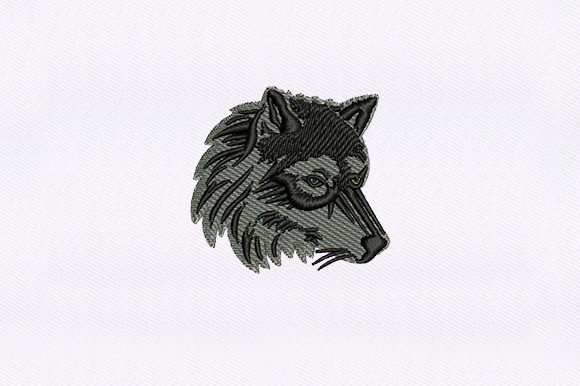
As someone who stitches daily for clients and my own shop, I judge a design first by its mood. This Wolf Face embroidery design hits a particular note: it’s not a cartoonish mascot or a hyper-realistic portrait. It sits in a lovely middle ground—rugged but charming, detailed but approachable. That first impression tells me it’s versatile. The shape has a good, balanced presence that won’t feel overly aggressive or too cute. It carries a visual personality of quiet strength, which is a rare find in animal-themed embroidery files.
Where This Wolf Belongs in a Real Project
I immediately picture this on a custom, heavyweight sweatshirt or a canvas tote bag. Those are my go-to tests for a design’s character. On a tote, this Wolf Face would lend a boutique, outdoorsy feel, perfect for a small shop selling handmade goods. For a client wanting a personalized gift, like an embroidered pillow cover for a cabin or a den, it would be a thoughtful, mature choice. I’d also consider it for a baby’s blanket or nursery decor, but in a softer color palette to keep the mood gentle. It’s a design that elevates simple items, turning a basic apron or tea towel into a statement piece for a craft fair table.
Performance on Fabric: Thinking Like a Maker
In real-life embroidery, the success of a design like this hinges on its detail level and stitch density. Without knowing exact counts, I approach it cautiously for smaller applications. On a cap or hat, the curved surface and smaller hoop size could compress those finer details, so a test on scrap fabric is essential. For thin or stretchy fabrics, like a t-shirt, the stabilizer choice becomes critical to prevent puckering, especially if any areas are densely filled. On dark fabric backgrounds, you’d need to think about thread color contrast—a lighter thread scheme might pop beautifully.
This isn’t a design I’d automatically run on textured fabrics like some blankets without a test; the texture could interrupt the clarity of the wolf’s features. But on a smooth cotton or fleece, I expect it would stitch out with lovely clarity, enhancing the handmade presentation and perceived value of the finished product. That stitching clarity builds customer trust—they see a clean, professional result, not a muddled image.
Crafting for Commerce: A Business Perspective
For my fellow Etsy sellers and small business owners, this Wolf Face design is a strong commercial embroidery asset. It has a recognizable, appealing theme within the Wild Animals category without being overly common. It would photograph well for printable mockups and digital product previews, helping drive buyer engagement. When I create products for my shop, I think about brand consistency; this design could anchor a line of rustic, nature-inspired items, from patches to kitchen towels.
Its giftability is high—think holiday gifts, wedding presents for outdoorsy couples, or personalized products for someone with a connection to the theme. As a digital embroidery file, its value comes from this versatility. However, the practical note here is crucial: always confirm the licensing before selling finished items or commercial embroidery projects. The charm it adds to your merchandise depends on your right to use it commercially.
Designer Notes for a Smooth Stitch Out
Before I commit this to a client’s sweatshirt or a batch of tote bags, my process is methodical. I’d test it on a light and a dark scrap of my intended fabric. I’d review the stitch density by observing the first test, looking for any areas that might be too dense for delicate fabrics. I’d inspect the small details, like the eyes and snout, to ensure they translate clearly at my intended size. A black and white mockup can help judge form without color distraction.
Using proper stabilizer is non-negotiable to preserve those details. And I’d think about thread colors—maybe shifting from grays to browns or blues for a different mood, depending on the project. This design feels suited for both personal and commercial projects, but that final step of checking the specifics of the embroidery file—hoop size compatibility, any included applique elements, or satin stitch borders—is the bedrock of professional use. It’s that preparation that turns a lovely embroidery design into a truly charming finished product.