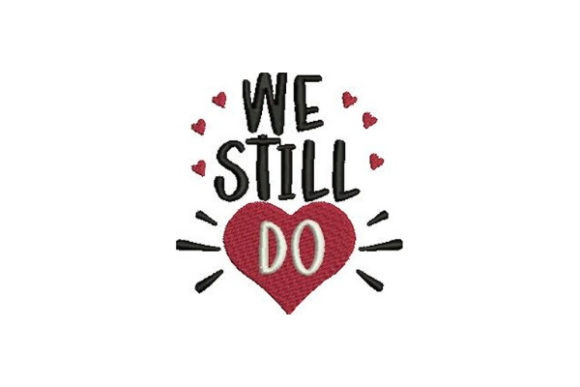
We Still Do: A Business-Friendly Love Heart Embroidery Design
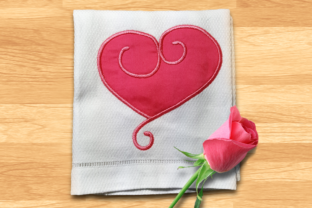
As an embroidery designer who works regularly with small businesses on their branded merchandise, my first reaction to the We Still Do heart design is that it’s a versatile asset. The concept is inherently warm and positive. It feels professional yet friendly, classic with a handmade touch. While categorized for Valentine’s Day, its message of enduring love is universally appealing, making it far more than a seasonal decoration. This is a design built for connection, which is exactly what a small business wants from its branded items.
The Visual Personality for Brand Identity
When evaluating a design for business use, its visual personality dictates where it fits. We Still Do, with its heart motif, leans towards elegant, rustic, and playful—not overly bold or modern. This is a key strength for businesses built on personal connection and craftsmanship. Imagine a small café, a boutique florist, a family-run bakery, or a creative studio. This design would not overpower their primary logo but would beautifully complement it as an accent, reinforcing a brand identity of care, longevity, and heartfelt service. It adds a layer of emotional value to customer trust and recognition.
Real-World Applications for Small Business Merch
The true test of any machine embroidery design is its performance across different products. Let’s review where We Still Do shines for business use and where caution is needed.
Strong Applications: Patches, Aprons, and Soft Goods
This design is ideal for applications where its decorative, loving nature aligns with the product’s purpose.
- Embroidered Patches: As a standalone branded patch, it could be sold as merchandise or applied to customer gifts. It would work beautifully on the sleeve of a staff uniform for a boutique or pet brand, adding a subtle, positive accent.
- Apron Embroidery: For a café, bakery, or handmade shop, stitching We Still Do on an apron pocket creates a wonderfully personal custom apparel detail that customers notice.
- Tote Bag Design: On a canvas tote bag, this design becomes a charming branded product add-on. It elevates a simple bag into a piece of handmade product branding.
- Product Packaging Accents: On small fabric tags or labels for a craft business, it can enhance the handmade presentation and perceived product value.
- Event Merchandise: For a business anniversary or community event, this design on caps or work shirts as a secondary mark celebrates a “we still do” commitment to customers.
Considerations and Careful Usage
Some applications require extra scrutiny to ensure the finished product maintains quality.
- Small Patch Sizes: If creating a very small patch (under 2 inches), the heart and text must be evaluated for clarity. Small lettering can become lost if the stitch density is too high or spacing is too tight.
- Cap Embroidery: On the curved front of a cap, the design’s proportions might distort. A test run on actual cap fabric is crucial.
- Dark Uniforms: On dark fabric, thread color contrast is paramount. The design may need a bold, light-colored thread palette to stand out.
- Items for Frequent Washing: For work shirts or aprons that undergo heavy laundering, a robust stitch structure with proper stabilizer is needed to maintain integrity over time.
- Textured Fabric: On heavily textured fabrics like some bag materials, details can get lost. Testing on the actual fabric texture before production is essential.
Practical Designer Notes for Commercial Embroidery
Before running this digital embroidery file for any commercial embroidery project, a disciplined preparation process protects your time and the client’s investment.
- Test in Black and White First: Stitch a sample using only black thread on white fabric and white on black. This reveals the pure structure of the design, independent of color appeal, highlighting any potential issues with outline clarity or fill areas.
- Confirm the Design Works at Small Patch Size: If a small patch is planned, hooping at the intended size and stitching a sample is non-negotiable. Do not rely on the software preview.
- Review Thread Color Contrast for the Target Fabric: Select your thread palette based on the final fabric color. A lovely palette on light fabric may vanish on dark custom apparel.
- Inspect Spacing and Hoop Size: Check that the design elements have adequate spacing to prevent thread bunching. Confirm the required hoop size fits your target products like caps or bag panels.
- Test on Real Fabric with Proper Stabilizer: Always stitch a final proof on the exact fabric and with the correct stabilizer you’ll use for production. This step catches issues with puckering or thread tension.
- Create a Printable Mockup for Client Approval: Before stitching bulk items, provide the client with a digital printable mockup of the design on their product (e.g., a shirt, apron, bag). This ensures visual alignment with their other design assets.
- Compare Beside Other Brand Assets: Place the stitched sample beside the business’s primary logo and branding materials. Does We Still Do complement them visually and tonally?
- Confirm Commercial Licensing Before Business Use: The product description does not specify license terms. It is your responsibility to verify that the embroidery file is licensed for commercial embroidery and small business merch production before any paid work begins.
Final Assessment: A Design That Adds Emotional Value
We Still Do is more than a decorative heart. For the small business owner—the Etsy seller, the merch creator, the apparel decorator—it is a design tool that injects emotional value into physical products. It speaks of commitment and care, qualities that any business wants to embody. When applied thoughtfully, with attention to the practicalities of machine embroidery design, it can elevate a simple uniform, apron, or tote bag into a piece of branded storytelling. It fosters buyer engagement by making the brand feel personal and cherished. Ultimately, it’s a design that says, “we value lasting relationships,” a message every small business wants to stitch into its identity.