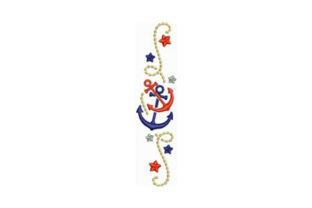
A Nautical Border for Real Embroidery Projects
Whenever I get a new embroidery file for review, I like to picture it stitched out in its ideal setting. With Anchors Border, my mind immediately went to a sturdy canvas tote bag, one destined for a seaside boutique or a gift for someone who loves the coast. This isn't just a design; it's a mood. The nautical theme is clear and classic, offering that familiar, friendly beach personality without being overly cartoonish or childish. It feels like a design that belongs on something well-made and meant to be used.
The First Impression: Where This Design Naturally Belongs
The layout of Anchors Border is its biggest strength. As a border, it creates a frame, which is perfect for defining an edge on a project. I can see it running along the bottom of a kitchen towel, the top of a pillow cover, or encircling a cap. The shape suggests structure, which translates beautifully into a finished product that looks intentional and professional. For a small shop product, especially in the Beach category, this kind of clarity is key. Customers recognize the theme instantly, and it adds a handmade touch that feels personal, not generic.
Thinking Through Real Stitching Scenarios
Let's talk about putting this machine embroidery design into action. I'm imagining a custom sweatshirt for a client—maybe a gift for a sailor. Anchors Border stitched along the sleeve cuff or across the chest would create a clean, branded look. The detail level seems balanced; it should have enough visual interest without becoming a dense, stiff patch on a stretchy fabric. For a baby's nursery item, like a blanket edge, it would be charming, but I'd be mindful of scale on smaller garments.
For commercial embroidery projects or craft business items—think aprons for a coastal café or patches for a sailing club—this design offers strong brand consistency. It's recognizable and repeatable. On a tote bag, it elevates a simple product into a specialty item, perfect for an Etsy listing or craft fair. The value isn't just in the stitching; it's in the story the finished product tells.
Where to Use It, and Where to Be Cautious
This lovely nautical embroidery design is described as perfect for your next sewing project, to stitch to any fabric. In practice, "any fabric" requires some thought. My professional judgment is that borders often have corners and turns. On a curved surface like a cap, you'd need to carefully adjust the placement or perhaps use a segment of the design rather than the full border. Similarly, on thin or very stretchy fabric, the stitch density needs to be right to prevent puckering.
Dark fabric backgrounds are a classic for nautical themes. Anchors Border would likely pop beautifully with bright white or gold thread. However, the real test is in the small details. Any tiny elements or thin lines within the design need to stitch out clearly. On textured fabrics like a waffle-knit towel, some of that fine detail might get lost, so a simpler section of the border might be more effective.
For products that need frequent washing—like kitchen towels or adult apparel—a well-digitized design with good stitch integrity is crucial. This affects customer trust directly. A design that frays or pulls after a few washes hurts your brand.
Practical Notes for the Embroidery Designer
Before committing this to a client's project or your small shop merchandise, always, always test on scrap fabric first. Use the same material and stabilizer you plan for the final product. Check the thread color contrast against both light and dark backgrounds. Does it have the visual punch you want?
I also recommend testing it in a simple black and white mockup for your printable mockups or digital product previews. This helps you see the form without color bias. Since the product description mentions it comes with multiple embroidery files, be sure to review what those files contain—perhaps different sizes or formats. Confirm the hoop size required for the version you're using.
Most importantly, if you're selling the finished product—the embroidered tote bag, the personalized gift apron, the baby embroidery item—you must confirm the licensing terms for the digital embroidery file. Ensure your commercial use is permitted. This is a fundamental step for any creative entrepreneur using design assets.
The Impact on Your Project and Your Customer
When Anchors Border is stitched well on a suitable product, it enhances the entire presentation. It moves from a digital file to a tactile, handmade product with personality. That giftability factor skyrockets. A pillow cover with this border feels like a thoughtful holiday or wedding gift for a beach-loving friend. For an apparel decorator, it adds a custom, classic accent that feels premium.
The professionalism comes from clean execution. A crisp satin stitch outline, a solid fill stitch within the anchor motifs—these details speak to quality. That engagement with a buyer, whether online or at a market, often starts with a design that feels both familiar and special. This border can do that.
In the end, my review as a designer is this: Anchors Border is a versatile, theme-driven design with strong practical application for a range of embroidery projects. Its true worth will be determined by how thoughtfully you apply it—choosing the right fabric, the right product, and executing it with care. It has the potential to become a reliable asset in your beach-themed collection, from custom apparel to boutique product lines. Just remember to do your real-world testing first. Your final product, and your customer's satisfaction, will thank you for it.