A Sweet, Simple Donut Design That Earns Its Place
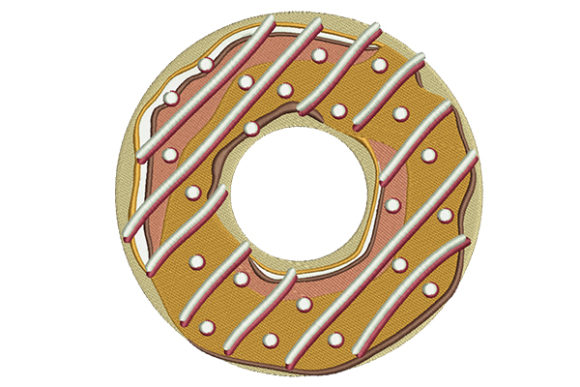
When a new embroidery file lands on my desktop, I’m not just looking at an image. I’m picturing it stitched out, on a real fabric, in a real project, for a real person. My first question is always: does this design have a clear, honest purpose? The Donut embroidery design passes that test immediately. It’s not overly complex or trying to be too clever. It’s a straightforward, cheerful dessert icon that knows exactly what it is.
The Mood It Creates: Whimsical Without Being Childish
The charm here is in its simplicity. This Donut design has a friendly, approachable personality. It feels whimsical—perfect for a fun kitchen towel or a child’s apron—but the execution is clean enough that it wouldn’t look out of place on a stylish tote bag for an adult. It doesn’t scream “kids only.” That balance is crucial for crafters and small shop owners. It opens up your market. You could use it for nursery decor or a boutique coffee shop’s branded merch. The mood is light, sweet, and universally recognizable, which is a solid foundation for any embroidery project.
Where This Donut Shines in Real Projects
I’ve been mentally stitching this onto everything since I opened the file. Its classic shape and moderate detail level make it a versatile player. For custom apparel, think of a soft, heather gray sweatshirt with this Donut centered on the chest. It becomes a statement piece without being loud. On a canvas tote bag, it’s a delightful accent that suggests a love for simple pleasures. For baby embroidery, a tiny version on the corner of a blanket or the front of a onesie would be adorable without overwhelming the small garment.
This is also a prime candidate for a standalone embroidered patch. The defined shape means it would hold its own when applied to a backpack or cap. As a personalized gift, imagine it on a set of tea towels for a baker friend, or on a pillow cover in a cozy breakfast nook. For Etsy sellers and craft fair products, this design translates quickly into finished products that feel handmade and special, yet are easy to produce consistently. It also works beautifully in printable mockups for digital product sellers, showing potential buyers exactly what they’re getting.
A Practical Scenario: Crafting a Boutique Kitchen Set
Let’s walk through a real case. Say I’m preparing a small batch of kitchen sets for my online shop—an apron, a towel, and a oven mitt. I want a cohesive, charming look. This Donut design fits perfectly. On the apron bib, it’s a focal point. On the towel corner, it’s a sweet detail. On the mitt, it’s a tiny surprise. Using the same design across items creates instant brand consistency. The design’s clarity ensures it reads well on each different fabric texture, from the sturdy apron cotton to the softer terry cloth of the towel. A customer browsing my shop would see a thoughtful, professional collection, not just random items. That builds customer trust and enhances the perceived product value.
Considerations for Stitching Success
While this design is adaptable, a professional always thinks about the edges. For a design like this, pay attention to stitch density in the main body (the “donut” itself) and the potential sprinkles or icing details. On very thin fabric or stretchy fabric like a fine t-shirt, a dense fill stitch might cause puckering if not properly stabilized. Always, always test on scrap fabric first, using the same material and stabilizer you plan for the final project.
Dark fabric requires careful thread color contrast planning. A pale icing color on a black sweatshirt will pop beautifully, but you must ensure the design’s details aren’t lost in the shadow of the fabric. Check thread color contrast in both light and dark fabric background scenarios. For curved surfaces like caps, the simple round shape should adapt well, but be mindful of any very small, intricate details that might get lost on the curve.
Products meant for frequent washing, like baby clothes or kitchen linens, benefit from a robust design. Review the file’s construction—does it use sensible satin stitch outlines and secure fill stitch areas? A clean design with good stitch paths will hold up better over time, maintaining that handmade presentation long after purchase.
How This Design Impacts Your Business & Craft
For creative entrepreneurs, a design’s appeal directly affects buyer engagement. This Donut has high giftability and recognition. It’s an easy sell because people instantly understand it and imagine where they’d use it. That speeds up the decision for a customer browsing your Etsy listings. For commercial embroidery projects, such as a series of aprons for a local café, its professionalism lies in its clean execution. It looks intentional and well-made, not amateurish.
Using it across a line of products, as in the kitchen set example, strengthens your shop’s identity. It shows you’re curating a look, not just stitching random files. That’s a subtle but powerful mark of a serious craft business.
Essential Designer Notes Before You Hoop Up
- Test the design on scrap fabric first. This is non-negotiable. It reveals how it behaves with your specific thread, stabilizer, and machine.
- Confirm the hoop size required. The provided description doesn’t specify, so you must check the file details to ensure it fits your intended project size.
- Inspect small details. Zoom in on the file preview. Are there tiny sprinkles or a delicate icing line? Make sure your machine and needle can handle them clearly.
- Use proper stabilizer. Match the stabilizer to the fabric weight. A kitchen towel needs different support than a baby blanket.
- Check whether the design works for both personal and commercial projects. The description doesn’t mention licensing. Before selling any finished product or using it in commercial embroidery, you must confirm licensing from the designer or distributor.
- Test it in black and white mockups. See how it reads as a silhouette. This helps gauge its shape strength independent of color.
In the end, the Donut embroidery design is a reliable, cheerful digital embroidery file. It doesn’t pretend to be anything more than a well-crafted dessert motif, and that’s its strength. For designers, small business owners, and makers looking for a design that translates smoothly from screen to stitch, and from stitch to sellable product, this one deserves a spot in your library. Just remember to do your practical homework first—that’s what separates a hobbyist experiment from a professional, sellable finished product.