Putting the Ice Cream Embroidery Design Through a Real-World Test
As a designer who runs a small embroidery business, every new design I consider needs to earn its place in my library. It has to be more than just cute; it needs to be practical, durable, and capable of adding real value to my products. When I saw the Ice Cream embroidery design on Creative Fabrica, I immediately wondered if it could hold up under the demands of actual customer orders and commercial projects.
First Scoop: The Visual Appeal and Initial Impressions
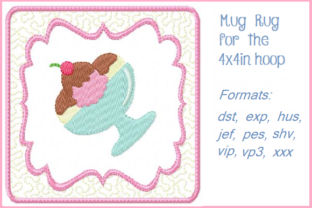
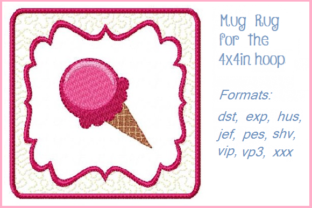
The Ice Cream machine embroidery design delivers exactly what its name promises: a super cute, cheerful aesthetic. The mood is undeniably fun and lighthearted, perfect for summery projects or anything meant to evoke a sense of joy and nostalgia. This isn't a hyper-realistic illustration; it’s a decorative, personality-driven design. Its charm lies in its simplicity and recognizability—it’s an icon that immediately communicates sweetness.
From the first glance, I could envision it fitting naturally on a range of items. It called out for tote bags, aprons, and kitchen towels as a perfect accent. For baby items like blankets or bibs, or for nursery decor, it would add a playful touch. I also pictured it as a standout element on a simple sweatshirt or the curved surface of a cap, though I knew those applications would require a closer look at the file details.
Considering the Stitching Personality for Real Projects
When you’re stitching for customers, especially for custom apparel or items that will be washed frequently, the construction of the design file is paramount. A design that is too dense can be difficult to stitch cleanly on stretchy fabrics like t-shirts or on textured surfaces like caps. Tiny, intricate details can become lost or blurry after multiple washes.
My initial assessment of Ice Cream was that its appeal likely depends on bold, clear shapes. For a successful embroidered patch, you need clean outlines and areas of fill that aren’t overly complicated. For application on dark fabric, the design would need sufficient stitch coverage to pop without requiring an excessive number of thread color changes. These are the kinds of practical questions I ask before I even download a file.
Practical Steps Before the First Stitch
My standard process for any new embroidery file involves several checks. First, I always look at the product details on Creative Fabrica for the listed hoop size and any notes on stitch count or density. If these aren’t provided, I know I’ll need to test it myself on scrap fabric. For Ice Cream, I would be particularly mindful of any very small elements or tiny lettering if it includes text, as these can be challenging on fabrics like towels or bags.
- Always test on scrap fabric of the same type you plan to use for the final product.
- Check thread color contrast carefully, especially if you plan to stitch it on both light and dark backgrounds.
- Use the appropriate stabilizer for your base material—this is non-negotiable for a clean finish.
- After stitching the test, inspect small details closely to see if any satin stitches are too thin or fill stitches are too dense for the fabric.
This due diligence protects your final product’s quality and your customer’s satisfaction.
How Ice Cream Can Elevate Your Finished Products
When a design like Ice Cream stitches out well, it does more than just decorate an item; it enhances the entire product’s value. For Etsy sellers and craft fair vendors, a clean, cute embroidery design on a pillow cover or tote bag immediately improves the handmade presentation. It feels deliberate and professional.
This design, belonging to the broader Dessert category, can help with brand consistency if you have a shop focused on kitchenware, baby goods, or cheerful gifts. A well-embroidered Ice Cream motif on an apron or kitchen towel becomes a highly giftable item. It also creates strong visual appeal for your product photography and can be used in printable mockups to showcase your digital assets.
For commercial embroidery work, such as producing batches of hats or patches for a boutique, a reliable, straightforward design like this can streamline production. It’s likely to engage customers because it’s universally likable and uncomplicated.
A Note on Commercial Use and Licensing
A critical step for any digital embroidery file you intend to use for selling finished products is to confirm the licensing terms. Before using Ice Cream for any handmade product you plan to sell, review the product page on Creative Fabrica thoroughly. Ensure the license permits commercial use of the items you create. This is a fundamental part of operating a trustworthy small business.
Final Evaluation: Is Ice Cream Worth the Hoop?
Based on a professional evaluation for real-world use, the Ice Cream embroidery design appears to be a strong candidate for projects where fun, clear decoration is the goal. Its cute, iconic style makes it versatile for many applications, from personalized gifts to boutique merchandise.
Its real-world performance, however, will depend entirely on the specifics of the file. To use it successfully on stretchy fabric or curved cap surfaces, you must ensure its stitch density is appropriate and that it fits in a manageable hoop size. For items like baby blankets or handmade gifts that undergo frequent washing, a robust stitch construction with good coverage will be key to longevity.
My advice is straightforward: if the Creative Fabrica embroidery product details suggest Ice Cream is well-built for the materials you use, it could be a delightful and profitable addition to your workflow. It has the visual charm to attract buyers and the thematic flexibility to fit many products. But as with any design, its true worth is proven not in the preview, but in the test stitch on your machine and your fabric. That final step is what separates a good digital file from a great finished product.