Craft Fair Product Review: The Black Cherry Vines Embroidery
As a professional embroidery designer preparing for a weekend craft fair, my first step is always a critical review of the design assets I plan to use. Today, I’m evaluating the Black Cherry Vines machine embroidery design, imagining how it will translate into real, sellable products on my booth table.
First Impression: Elegant, Rustic, and Naturally Decorative
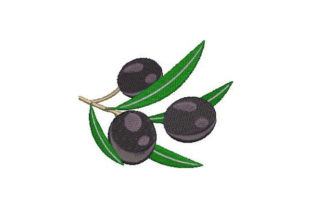
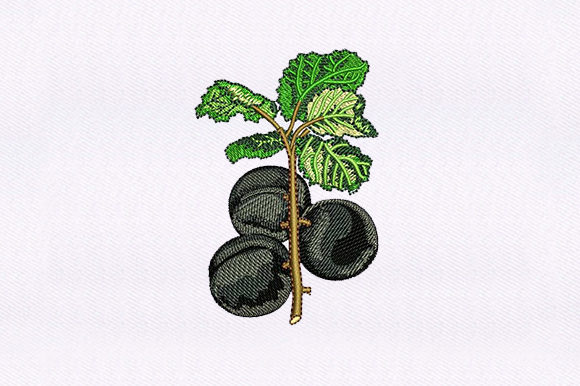
The name Black Cherry Vines immediately sets a specific mood. This isn’t a cute, cartoon fruit; it evokes a sense of elegant rustic charm. This design feels decorative and premium, leaning towards a farmhouse aesthetic but with a detailed, naturalistic quality that could appeal to a broad audience. It promises a level of sophistication that can elevate a simple product.
In a crowded handmade market, designs that feel both handmade and high-quality stand out. Black Cherry Vines has that potential. Its detailed embroidery suggests careful craftsmanship, which customers at craft fairs actively seek. The Food category connection is a strong selling point, immediately resonating with kitchen items and home decor.
Product Performance: Where This Design Will Shine
My booth display will feature a range of items: tote bags, aprons, tea towels, caps, patches, pouches, and pillow covers. Not every design works on every product, so strategic placement is key.
Strong Candidates for Maximum Impact
Aprons and Kitchen Towels: This is the natural home for Black Cherry Vines. An apron with this design embroidered on the pocket or chest becomes a standout, premium item. On a tea towel, it transforms a utilitarian object into a decorative kitchen accessory. The Food theme is perfectly leveraged here.
Tote Bags and Market Bags: A well-placed embroidery on a canvas tote bag adds significant value. Black Cherry Vines would work beautifully as a focal point on the front panel. It feels more unique than generic floral designs, helping the bag catch a customer’s eye from across the aisle.
Pillow Covers: For home decor, this design offers a soft, natural motif. It could be embroidered on a linen pillow cover, creating a product that feels cohesive with rustic or modern farmhouse interiors, thereby increasing its perceived value.
Considerations for Smaller Applications
Caps and Patches: Here, careful evaluation is needed. The “detailed” nature mentioned in the description raises questions. If the design has very fine vines or tiny leaf details, it might lose clarity when reduced for a cap front or a small patch. I would strongly advise testing on scrap fabric at the intended smaller hoop size before committing to production.
Fabric Pouches and Small Gift Items: As an accent on a pouch flap or a small zippered case, it could be lovely. However, it must be scaled appropriately. A dense, detailed design crammed onto a small area can look messy and may cause stitch density issues on thinner fabrics.
Practical Production & Selling Points
Turning a digital embroidery file into a profitable handmade product requires a practical lens.
Understanding at a Glance and Photographing Well
Black Cherry Vines seems easily understandable. It’s recognizably a fruit and vine motif. This is vital for quick customer engagement at a busy fair. For my Etsy listings and printable mockups, it should photograph well, as natural motifs with good contrast tend to look excellent online, showing off the texture of the stitches.
Batch Production and Repeatability
Is this design repeatable? If the stitch count is reasonable and the thread color palette is not excessively large, it can be efficient for batch-producing a line of tea towels or aprons. Consistency is key for a craft fair booth—having multiple items with the same high-quality design creates a strong, professional brand display.
Critical Designer Notes for Execution
- Test on Scrap Fabric First: Always embroider the design on a similar fabric to your final product. Check for any pull or distortion, especially on textured towels or curved cap surfaces.
- Check Thread Contrast: On dark fabric, the “black cherry” element might need a slightly lighter thread to maintain visibility. Review the provided thread colors for suitability.
- Inspect Stitch Density: Detailed designs can have dense stitch areas. Use the correct stabilizer to prevent puckering, especially on lightweight bags or linens.
- Confirm Hoop Size: The description doesn’t specify a hoop size. Before running any production, ensure your intended hoop size is appropriate. A design meant for a 4x4 hoop might not scale cleanly to a 6x10.
- Create a Real Mockup: Before the fair, I must create at least one finished product, like an apron or towel, to see how it feels in person, hangs on display, and attracts attention.
- Commercial Licensing: The description mentions it is for your “next sewing project.” As an Etsy seller and small shop product creator, I must confirm this digital embroidery file is licensed for commercial embroidery use before selling any finished products.
Final Booth Strategy: Engaging Customers and Adding Value
In my final booth layout, Black Cherry Vines will be featured on products where its elegance and detail are fully realized. A beautifully embroidered apron will be hung prominently; a set of tea towels with the design will be folded to showcase the embroidery. These items tell a story of handmade quality and thoughtful design.
This design can boost customer attention by offering something familiar yet distinctly artistic. It enhances product value—an embroidered item sells for more than a plain one. It reinforces handmade quality through visible, intricate stitches. And finally, it strengthens booth display by creating a cohesive, themed section, perhaps alongside other natural or food-themed embroideries.
My advice to fellow creative entrepreneurs is this: Black Cherry Vines is a promising design with strong aesthetic appeal. Its success at a craft fair, however, hinges entirely on practical execution. Test it, scale it appropriately, place it on the right products, and ensure your production process is sound. Then, this detailed embroidery can indeed look lovely on any fabric and become a profitable part of your handmade product line.