Girl Face Embroidery: A Craft Fair Review
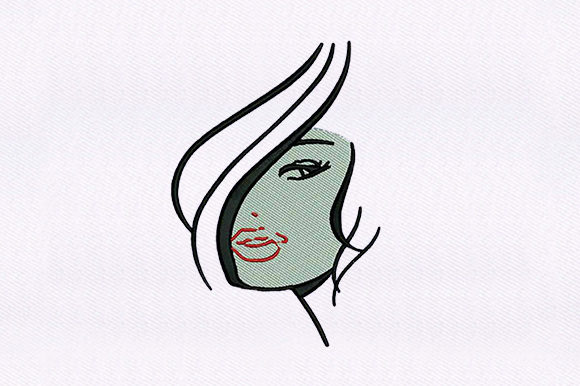
As an embroidery designer preparing for a weekend craft fair, every design choice is a business decision. You’re not just stitching; you’re curating a product line that must attract attention, convey value, and sell quickly from a bustling booth. Today, I’m reviewing the “Girl Face” embroidery design from this exact perspective. It’s listed under “Boys” and categorized simply as “Embroidery,” but the real question is: how does it perform as a craft fair product?
First Impression: Soft and Decorative Appeal
The title “Girl Face” suggests a soft, likely cute or decorative design. From a sales standpoint, this is promising. At a fair, designs that evoke warmth, charm, or a sense of familiarity often draw customers in for a closer look. It doesn’t scream “bold” or “festive,” but rather feels “premium” and “gentle.” This mood is perfect for the handmade market, where perceived quality and emotional connection drive purchases. It’s less about humor and more about creating a lovely, giftable item. The description notes it will look great on any fabric, which hints at versatility—a key asset for a seller offering diverse products.
Where Girl Face Stands Out on the Booth Table
Visualizing my display of tote bags, aprons, tea towels, caps, and pillow covers, I immediately see potential. The Girl Face design’s decorative nature makes it a strong candidate for home goods and accessories where customers appreciate subtle artistry.
Tote Bags and Market Bags: This is a prime application. A well-placed Girl Face on a canvas tote adds a touch of personality without overwhelming the bag’s function. It elevates a simple bag into a boutique item. On a busy table, a collection of bags with such designs creates a cohesive, appealing section.
Aprons and Tea Towels: For kitchen textiles, the design’s “lovely” quality works well. On an apron, it could be a charming chest or pocket accent. On a tea towel, especially on linen or a textured cotton, it becomes a decorative focal point. These items sell well as practical yet pretty gifts.
Pillow Covers and Fabric Pouches: Smaller pouches and pillow covers are excellent for showcasing embroidery as a premium detail. Girl Face would add a handmade, custom touch that increases perceived value. These are often impulse buys at fairs when the craftsmanship is evident.
Caps and Patches: The categorization under “Boys” might imply a more youthful application. As an embroidered patch on a cap, it could attract a specific customer. However, on caps, the curved surface demands a design that stitches cleanly. As a standalone embroidered patch for sale, it offers versatility—customers can apply it themselves.
The key is to use Girl Face where it feels intentional. It’s likely not a large, overpowering focal design but rather a beautiful accent that says, “This item was crafted with care.”
Practical Production and Selling Points
Turning a digital embroidery file into a profitable craft fair product involves several practical checks. Here’s my review for production.
Understanding Design Clarity and Scale
For customers to understand it at a glance—a critical factor in a fast-paced fair environment—the design should be clear and recognizable. “Girl Face” should translate well without needing explanation. Does it work as a small accent? Likely yes, but I’d advise caution: any tiny details, like small facial features or intricate linework, could lose clarity at very small sizes. Always test on scrap fabric first. For batch production, repeatability is crucial. A design with moderate stitch density and clean outlines is easier to produce consistently across multiple tote bags or towels.
Photographing for Online and Display
For Etsy sellers and those using printable mockups, the design must photograph well. A “lovely” design with good contrast will look attractive in online listings. On dark fabric, thread color choice is vital—you need strong contrast for the details to pop. Always create at least one real mockup, not just a digital preview, to see how light interacts with the stitches. The texture of embroidery on a tea towel or the smooth surface of a pillow cover photographs differently; test both.
Technical Embroidery Considerations
The product description mentions it’s a “machine embroidery design,” but lacks specifics. Before any batch production, you must:
- Check the actual hoop size required. This determines which products you can embroider efficiently.
- Review the stitch density. Dense areas on thick fabrics like aprons might require specific stabilizer strategies.
- Analyze thread colors. A simpler color palette speeds production and reduces thread inventory for fair prep.
- Confirm commercial licensing if you are selling finished products. Never assume.
Fabric texture matters greatly. Embroidering Girl Face on a textured towel versus a smooth cotton tote bag will produce different effects. Use the right stabilizer for each fabric type to ensure crisp results that showcase handmade quality.
Boosting Booth Appeal and Customer Engagement
A design like Girl Face affects your entire booth’s vibe. A table with a range of products all featuring cohesive, gentle designs creates a strong brand consistency. It tells customers you have a specific, refined style. When a customer notices the same beautiful embroidery on a tea towel, a pouch, and a tote bag, it reinforces your craftsmanship and can lead to multi-item sales.
Its visual appeal is about attraction. In person, the tactile quality of embroidery draws people to touch items. Girl Face, if stitched well, invites that engagement. It increases product value because embroidery is seen as a skilled addition. For the creative entrepreneur, it’s a reliable design asset that can be adapted across your product line, giving you flexibility in what you produce and display.
Final Designer Notes Before the Fair
My final advice for using Girl Face for your craft fair products is hands-on:
- Test Immediately. Stitch it out on the actual fabrics you plan to use: canvas for bags, linen for towels, cotton for aprons.
- Compare Fabric Colors. Run it on light and dark scraps to judge thread contrast. Does it hold its “lovely” quality on both?
- Inspect the Finished Stitchout. Look for any tiny details that might fray on frequently used items like bags or towels. Check spacing and overall clarity.
- Plan Your Product Mix. Decide where it shines brightest—perhaps as a tea towel embroidery and a matching pouch—and produce a small batch for your display.
- Display with Context. On your booth table, place Girl Face embroidered items near related products. A towel next to a matching apron tells a story.
The Girl Face design, with its high-quality promise and versatile description, has solid potential for the handmade market. Its success, however, hinges entirely on your practical execution: choosing the right products, ensuring impeccable stitch quality, and presenting it as part of a thoughtful, crafted collection. For the embroidery business owner heading to a fair, that’s where the real work—and the real reward—lies.