Putting Skeleton's Dancing to Work
Let’s talk about the Skeleton’s Dancing design from a professional standpoint. When you’re looking at a new embroidery file for a real project—whether it’s for a client order, a product for your shop, or a personalized gift—you’re not just evaluating a cute picture. You’re judging its practical potential: how will it stitch out, how will it look on the final product, and will it resonate with your customer?
First Glance: A Lighthearted and Playful Character
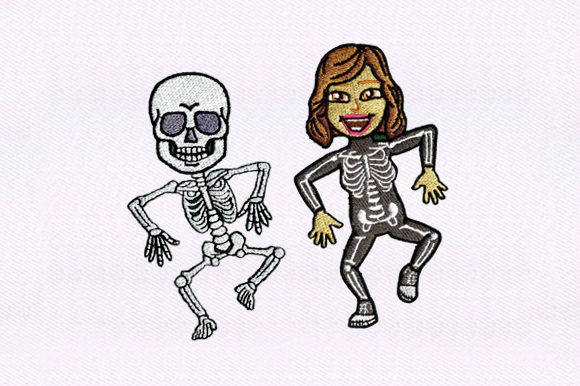
This design immediately presents a cheerful, playful mood. The skeletal figures aren’t spooky; they’re dancing, which creates a fun, whimsical vibe. The layout feels balanced and the detail level is approachable—not overly complex, but with enough character to stand out. It feels like it belongs on something meant to bring a smile. While the product category suggests boys, the appeal is broader; it’s a universal, lighthearted graphic that works for playful projects of all sorts.
Where This Design Naturally Excels
In my experience, this kind of machine embroidery design shines on casual, personalized items. Imagine it on a child’s sweatshirt, a playful tote bag for a Halloween enthusiast, or even a fun apron. I recently considered it for a custom baby blanket as a quirky gift—the dancing figures soften the skeleton theme into something charming. For small business owners, it’s a strong candidate for holiday-themed merchandise, not just Halloween but any autumn craft fair product. Its visual personality is clear, making it excellent for custom apparel where you want a recognizable, friendly graphic.
The Real-World Embroidery Scenario
Let’s walk through a typical use case: you’re an Etsy seller preparing a batch of embroidered tote bags for your fall lineup. You hooped the bag, selected a bold thread palette, and ran the Skeleton’s Dancing file. The stitching clarity is crucial here. On a textured fabric like a canvas tote, the design needs to hold its shape without getting lost in the weave. This is where the perceived stitch density and detail level come into play. A design with very thin lines or tiny elements might blur, but a design with good, solid forms—like these dancing figures—should maintain its integrity, adding real value to the finished product.
Considerations for Professional Execution
The success of any embroidery project hinges on practical preparation. For Skeleton’s Dancing, always test it on a scrap of your target fabric first. This reveals everything: how the thread colors contrast with your background, whether small details like the dancing limbs stitch cleanly, and how the stabilizer performs. Pay special attention if you plan to stitch it on stretchy fabric like a t-shirt or on a curved surface like a cap. The design’s layout should be forgiving, but on a cap, the central placement is key for visual balance. On dark fabric, your thread choice becomes paramount—you might need brighter hues to make the playful figures pop.
Where to Exercise a Bit More Care
While this design seems versatile, some applications demand extra attention. If you’re thinking of a very small hoop size for a delicate item like a baby clothes tag or a tiny patch, inspect the design’s smallest elements in your test run. Very dense stitch areas could feel stiff on thin fabrics, affecting the comfort of a garment. For products destined for frequent washing, like kitchen towels or activewear, a clean stitch-out with secure satin stitches or fill stitches is vital for longevity and customer trust. Always check the actual embroidery file details for recommended hoop size and compatibility before committing to a production run.
Boosting Your Product's Appeal and Value
Using a well-executed design like Skeleton’s Dancing directly impacts your product’s visual appeal and perceived value. A crisp, cheerful embroidery on a sweatshirt or pillow cover elevates it from a generic item to a unique handmade product. For creative entrepreneurs, this builds brand consistency if your shop specializes in playful, whimsical goods. It’s highly giftable—a personalized holiday gift with this design feels thoughtful and fun. For commercial embroidery or digital product sellers offering the file itself, a design that stitches reliably enhances your professionalism and buyer engagement. Customers return when the digital embroidery file delivers exactly as promised in their own projects.
Essential Designer Notes Before You Stitch
Here’s my straightforward checklist before loading this file for any real project, be it a boutique product or a client’s custom apparel:
- Run a test on scrap fabric identical to your final project material.
- Review the stitch-out for clarity, especially in any detailed corners or limbs.
- Compare how it looks in both light and dark fabric mockups; sometimes a simple black-and-white preview can reveal contrast issues.
- Use the proper stabilizer for your fabric type to ensure the design’s shape holds.
- Confirm the licensing terms for this embroidery design if you are selling finished items or using it in commercial embroidery projects.
- Consider its final placement: on a tote bag, it’s a statement; on a baby item, it’s a cute accent; on an apron, it’s a fun personality piece.
Ultimately, the Skeleton’s Dancing design presents a solid, playful graphic with broad application potential. Its strength lies in its clear, cheerful character and balanced layout, which should translate well into physical stitching. By approaching it with these practical considerations—testing thoroughly, choosing the right project, and executing with care—you can turn this digital design asset into a standout finished product that delights your customers and reinforces your craft as a professional.