Stallion Horse Embroidery: A Design Review for Craft Fair Success
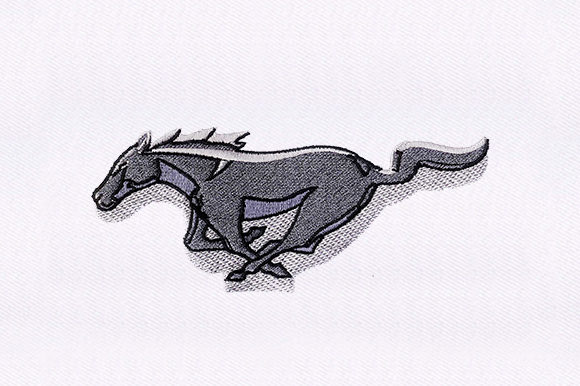
As an embroidery designer preparing for a weekend craft fair, every digital file in my library undergoes a practical review. I’m looking at designs not just as art, but as potential products. Today, I’m evaluating the Stallion Horse embroidery design, considering how it translates from screen to stitch, and ultimately, to a sale at my booth.
First Impression: Where Stallion Horse Stands on the Table
Based on its title alone, Stallion Horse evokes a sense of strength, elegance, and rustic charm. It’s not a cute pony; it’s a mature, dignified animal. This tells me it leans towards a farmhouse, rustic, or premium aesthetic. It’s a design that promises to be decorative and bold, likely attracting customers who appreciate classic, natural themes. In a sea of whimsical or modern designs on my display table, Stallion Horse would carve out its own niche, appealing to a different segment of buyers.
Product Performance: Where This Design Will Shine
The product description suggests it’s a high-quality machine embroidery design that will look great on any fabric. But in the real world, some applications perform better than others for sales. Here’s my breakdown.
Top Tier Products for Stallion Horse
For a craft fair booth, I want products where the design maximizes visual impact and perceived value.
- Embroidered Tote Bags & Market Bags: A large, central Stallion Horse on a neutral canvas tote creates a stunning, usable art piece. It feels premium and justifies a higher price point.
- Pillow Covers: In a farmhouse or rustic home decor setting, this design on a linen or cotton pillow cover is a natural fit. It becomes a focal point, not just an accent.
- Aprons: Whether for kitchen or workshop use, a bold stallion on the chest pocket or bib of an apron has strong visual appeal and speaks to craftsmanship.
- Embroidered Patches: This could be a fantastic standalone handmade product. A well-made patch with this design allows for versatility—customers can apply it to their own items. It’s also lower-cost for buyers, potentially driving more volume.
Strong Secondary Applications
These are excellent for filling out a product line and offering variety.
- Tea Towels & Kitchen Towels: On a high-quality flour sack towel, the design adds a decorative, giftable touch. Be mindful of the fabric texture; a smooth, tight weave is better for clarity than highly textured towels.
- Caps: Embroidering on curved cap surfaces is a specialized skill. Stallion Horse would need to be tested at a smaller size to ensure the details don’t get lost on the curved front panel.
- Small Pouches & Giftable Items: A smaller version on a fabric pouch or zipper case can work beautifully as an accent, making it a perfect last-minute gift purchase at the fair.
Practical Selling & Production Analysis
Turning a design into a profitable craft fair product requires a cold, hard look at production realities and customer psychology.
Visual Clarity & Customer Attention
At a busy fair, customers scan tables quickly. Stallion Horse, as a recognizable animal with likely detailed contours, should be easy to understand at a glance if stitched cleanly. This is crucial. It works best as a large focal design on items like totes and pillows, where its elegance can be fully appreciated. For online listings like my Etsy shop or printable mockups, it should photograph well, especially on lighter fabrics where the contrast is high. Details are key for perceived handmade quality.
The Batch Production Question
Is this design repeatable? For batch-producing a line of tote bags, yes, it’s a strong, consistent design that builds brand consistency. However, I must consider stitch time and thread changes. If the Stallion Horse design has very dense stitch areas or many thread colors, production time per item increases, affecting my cost and pricing. I cannot see the exact stitch count from the description, so this is a variable to test.
Careful-Use Notes for the Embroidery Designer
The description’s claim of looking great on “any fabric” is a goal, but experience tells me to proceed with caution. Here are my notes before I load the embroidery file.
- Test on Scrap Fabric First: Always. I’ll run it on the actual fabrics I plan to use: canvas, linen, cotton. This reveals any issues with stitch density on thick fabric or pull on looser weaves.
- Check Thread Contrast: On dark fabric, the design may need a lighter thread palette or even a white backing stitch to pop. The description doesn’t specify color count, so I’ll need to review the file.
- Review Scaling & Hoop Size: Can it be stitched beautifully within a common, practical hoop size for my products (like 5x7 or 6x10)? Does it lose clarity at smaller sizes for caps or pouches? Tiny details or small lettering (if present) can blur.
- Use the Right Stabilizer: This is non-negotiable for a clean, professional finish on any product, especially for a detailed animal design.
- Create a Real Mockup: Before committing to batch production, I must stitch one perfect sample—a tote bag or pillow cover—to see it in person. This final product is what will catch a customer’s eye at my booth.
- Confirm Commercial Licensing: The description mentions it’s for your next sewing project. As a digital seller and maker of finished products, I must ensure my license allows for commercial embroidery and selling the resulting handmade items. This is a critical first step.
Final Booth Display Strategy
In my imagined booth, the Stallion Horse product line will be grouped together to create a thematic mini-collection. The large tote bag will be displayed prominently, hung or standing up, to draw attention from afar. The pillow cover will be placed on a small wooden chair, suggesting home decor use. Patches will be laid out neatly in a clear tray, accessible for browsing. This grouping tells a story and strengthens the booth display. It engages buyers by showing the design’s versatility while maintaining a cohesive, professional look.
The Stallion Horse design, from a selling perspective, has solid potential in the Farm Animals category. It fills a specific aesthetic need—rustic, elegant, and strong. For creative entrepreneurs like myself, its success hinges not on the digital file alone, but on the careful translation into tangible, well-crafted products that resonate in person and justify the handwork they require. My next step is to open the file, check the specifics, and start stitching that first test sample on scrap canvas. The real review happens under the needle.